Travel through history to see how Islamic law defined and defended women's rights long before others did.
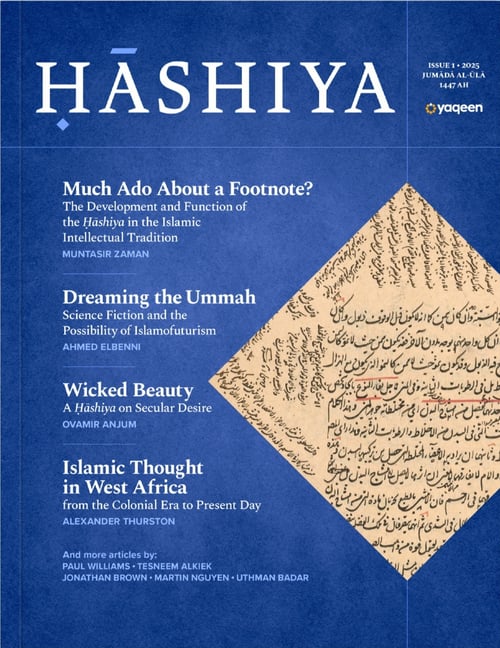
This is a preview of our Hashiya newsletter. To continue receiving these, sign up here.
There are moments in history that read like they're speaking to each other.
Join us on a little time travel.
Two Women. Two Courts.
Eight Centuries Apart.
Lisbon, 1117
A woman named Rāqī bint Yūnus gathers witness testimony against her husband—quietly, carefully, determinedly.
She takes her case to court
Scholar rules in her favor
Her rights were restored.
The Maliki scholar Ibn Rushd al-Jadd listened, investigated, and ruled in her favor.
England, 1876
A woman named Sarah Phillips tries to do the same. She brings evidence against her abuser
She takes her case to court
Case does not reach trial
Her rights were not restored
Under the Doctrine of Coverture, a wife had no independent legal standing, and could not be harmed by her husband. She was legally "one" with him.
So, what makes the difference?
Hashiya's research article delves through time, across centuries and courtrooms to explore one central question: How did Muslim jurists define harm within marriage—and what protection did they actually give women?
Stepping through history, the article traces how Muslim scholars understand harm not just as physical injury, but also:
Emotional and verbal mistreatment
Sexual neglect
Spiritual or religious harm
...and any violation of a spouse's agreed-upon rights.
2025: A Conversation That Matters Today
As we travel between Rāqī's courtroom and Sarah's courthouse, the article reminds us:
Concepts of harm shift across cultures and time.
The Shariah's core commitment to repelling harm remains constant.
Our tradition contains a deep, principled toolkit for addressing domestic harm with justice, nuance and moral clarity.
It's a journey through history—but also a map for the present.
Ready for a Time Machine?
Buckle up: the article you're about to read allows you to jump from medieval Lisbon to Victorian England, from Maliki scholars to British courts, from Qur'anic principles to cultural norms—all in a few pages.
As you travel, you'll see how the meaning of "harm" shifts, expands, and re-emerges—and how Islamic law anchored itself in repelling harm across eras. Start the time machine now.







No comments:
Post a Comment